Wig Care & Sourcing Guide
Wigs for Cancer Patients: Comfort, Confidence, and Choice
Wigs for cancer patients offer comfort and confidence during treatment. Learn how to choose, style, and care for a wig that feels natural.
Wigs for cancer patients are specialized hairpieces designed to restore appearance and confidence during chemotherapy-induced hair loss. They prioritize comfort, scalp sensitivity, and a natural look.
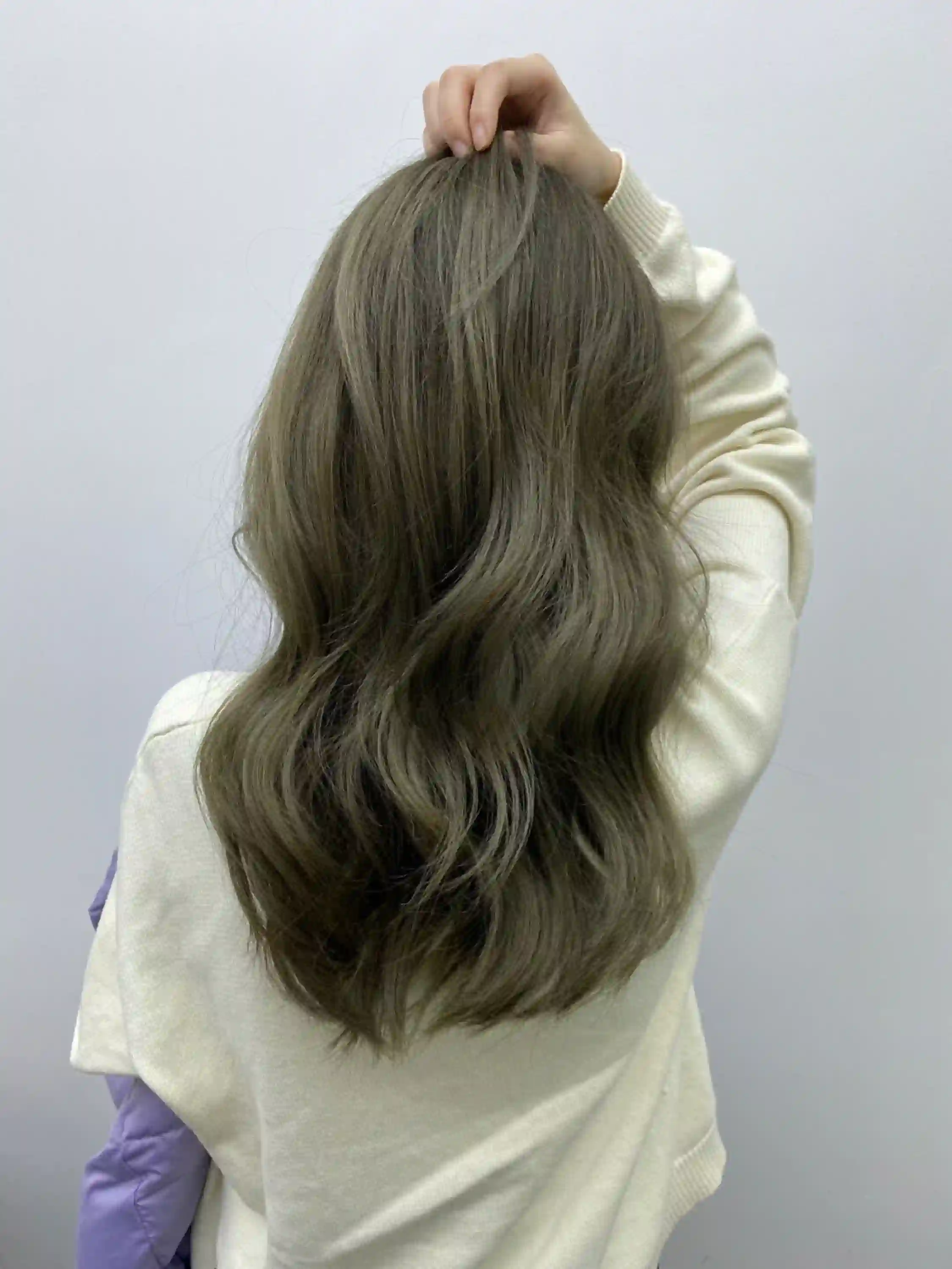
Why Are Wigs Important for Cancer Patients?
Hair loss from chemotherapy can affect self-esteem and privacy. A well-fitted wig helps patients feel more like themselves and reduces unwanted attention. Many choose wigs for cancer patients to regain a sense of normalcy.
How Do You Choose the Right Wig?
Look for soft, breathable materials like medical-grade silicone or bamboo fiber. A China wigs factory often produces affordable, high-quality options with adjustable caps. Consider a monofilament or lace-front design for a natural hairline.
What Should You Look for in Comfort and Fit?
Seamless caps and lightweight construction prevent irritation. Adjustable straps or Velcro tabs ensure a secure fit without pressure points. Some wigs come pre-styled and ready to wear.
How Do You Care for a Wig During Treatment?
Wash gently with mild shampoo in cool water, then air-dry on a wig stand. Avoid heat styling and excessive brushing to extend the wig's life. Rotate between two wigs for durability.
常见问题
Are wigs for cancer patients covered by insurance?
Some health insurance plans and charitable organizations partially or fully cover the cost of a cranial prosthesis, which is the medical term for a wig for hair loss due to medical treatment. Check with your insurance provider and ask your doctor for a prescription to support your claim.
How soon after starting chemotherapy will I need a wig?
Hair loss typically begins 2 to 3 weeks after the first chemotherapy session. Many patients prefer to choose a wig before hair loss starts so they can match color and style more easily.
Can I sleep in my wig?
It is not recommended to sleep in a wig, as it can cause discomfort, damage the cap, and lead to scalp irritation. Instead, wear a soft sleep cap or scarf to protect your scalp and keep your wig on a stand overnight.
Related searches:cancer-wigs|chemo-hair-loss|medical-wigs|wig-comfort|wig-care