Wig Care & Sourcing Guide
Wigs After Cancer Treatment: Your Complete Guide
Discover how wigs after cancer treatment restore confidence. Learn about types, fitting, comfort, and care for medical hair loss.
Wigs after cancer treatment are specialized hairpieces designed to restore appearance and confidence for individuals experiencing chemotherapy-induced hair loss. They offer a practical and emotional solution during a challenging time.
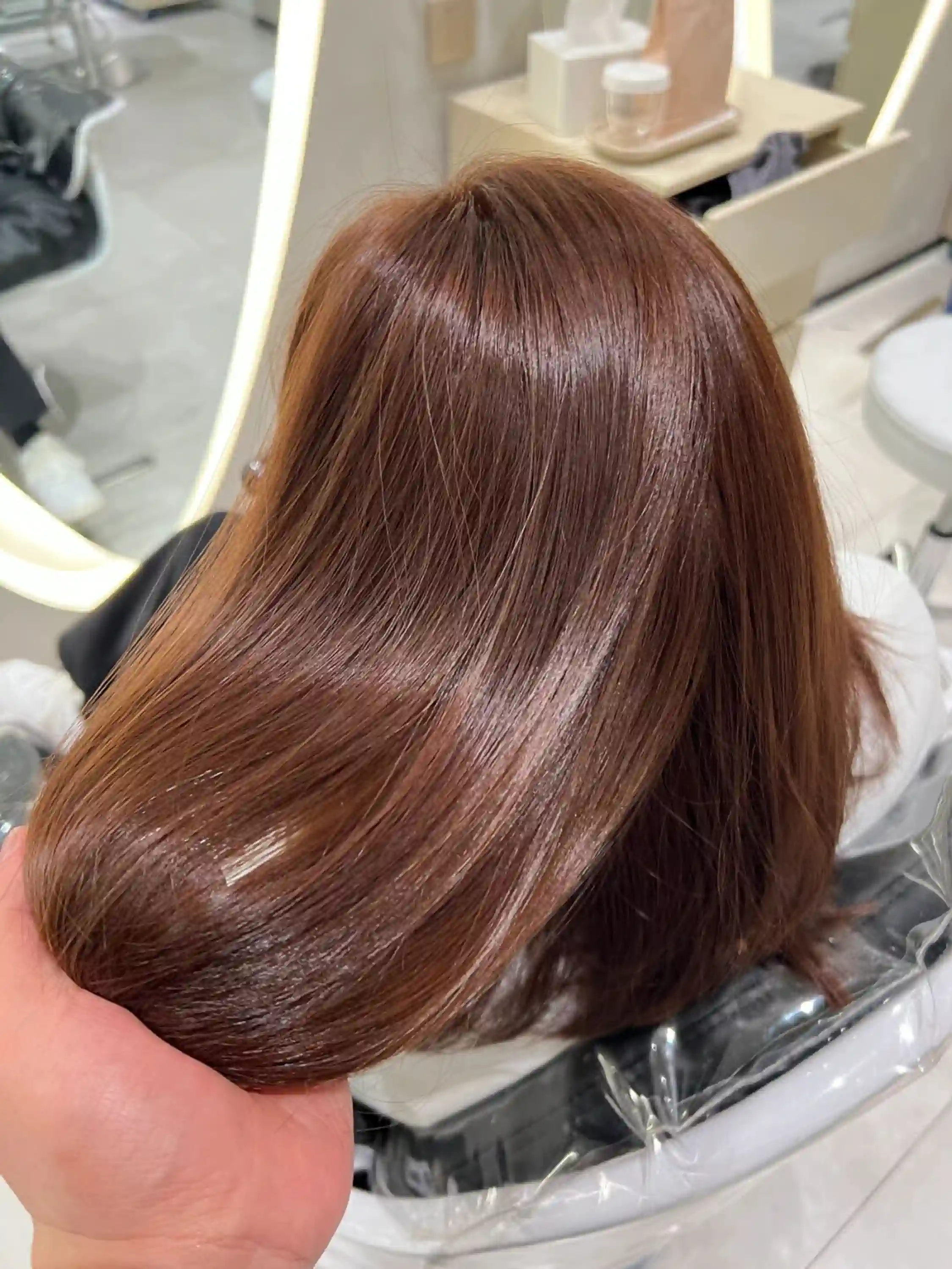
Why Are Wigs After Cancer Treatment Important?
Hair loss from chemotherapy can affect self-esteem and privacy. A well-fitted wig helps you feel more like yourself, making social interactions easier. Many hospitals and cancer centers offer wig banks or financial assistance programs to reduce costs.
What Types of Wigs Are Best for Cancer Patients?
Medical wigs prioritize comfort and scalp sensitivity. Look for soft linings, adjustable straps, and lightweight caps. Synthetic wigs are affordable and low-maintenance, while human hair wigs look natural but require more care. Some patients prefer a China wigs factory for custom, budget-friendly options, though quality varies.
How Do You Choose the Right Wig?
Consider your lifestyle, budget, and treatment schedule. A wig specialist can help match color and style to your natural hair. Try on several wigs to find one that feels secure and breathable. If your scalp is tender, choose a wig with a seamless cap or a soft bamboo liner.
How Should You Care for a Wig During Treatment?
Wash your wig gently with mild shampoo every 10–14 wears. Avoid heat styling on synthetic wigs. Store it on a wig stand to keep its shape. Rotate between two wigs to extend their lifespan.
When Should You Get a Wig?
Shop before hair loss begins, if possible, to match your natural color and style. Many insurance plans cover a portion of the cost with a prescription. Ask your oncologist or a hospital social worker for guidance on local resources.
常见问题
Are wigs after cancer treatment comfortable to wear all day?
Yes, modern medical wigs are designed with lightweight, breathable materials and soft linings to minimize irritation. Adjustable straps and seamless caps help prevent pressure points. Many patients wear them comfortably for 8–12 hours.
Does insurance cover wigs after cancer treatment?
Coverage varies by insurer and policy. Some plans reimburse a portion of the cost if you provide a prescription from your doctor. Check with your insurance provider and ask about wig banks or nonprofit grants for additional help.
How do I wash a wig after cancer treatment?
Use a gentle, sulfate-free shampoo in cool water. Gently swish the wig without rubbing, then rinse and blot with a towel. Air-dry on a wig stand. Avoid brushing while wet to prevent damage.
Related searches:cancer-hair-loss|medical-wigs|wig-fitting|chemotherapy-hair